Archives
- 2026-09
- 2026-08
- 2026-07
- 2026-06
- 2026-05
- 2026-04
- 2026-03
- 2026-02
- 2026-01
- 2025-12
- 2025-11
- 2025-10
- 2025-09
- 2025-03
- 2025-02
- 2025-01
- 2024-12
- 2024-11
- 2024-10
- 2024-09
- 2024-08
- 2024-07
- 2024-06
- 2024-05
- 2024-04
- 2024-03
- 2024-02
- 2024-01
- 2023-12
- 2023-11
- 2023-10
- 2023-09
- 2023-08
- 2023-07
- 2023-06
- 2023-05
- 2023-04
- 2023-03
- 2023-02
- 2023-01
- 2022-12
- 2022-11
- 2022-10
- 2022-09
- 2022-08
- 2022-07
- 2022-06
- 2022-05
- 2022-04
- 2022-03
- 2022-02
- 2022-01
-
The relative stereochemistry of both the
2025-02-18
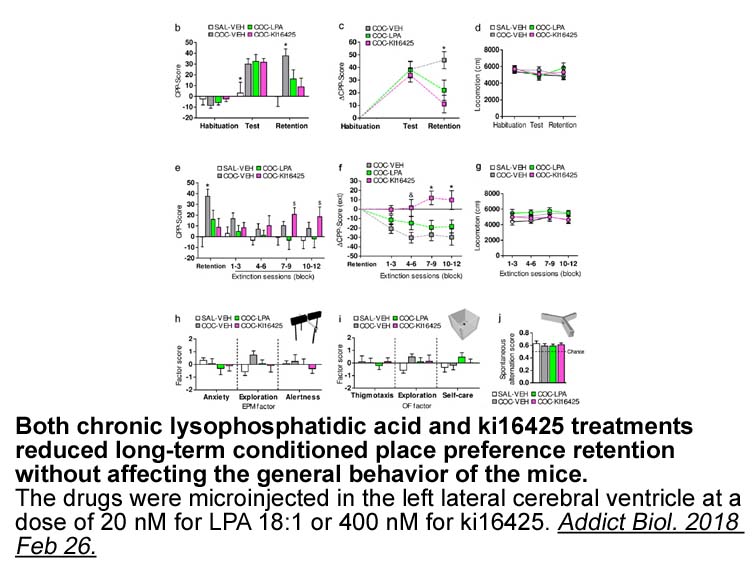
The relative stereochemistry of both the major and minor diastereoisomer of (±)-2-(hydroxymethyl)blebbistatin (±)- (and thus (±)-2-(allyloxymethyl)blebbistatin (±)-) was determined with 1D-NOESY experiments (), as crystallization efforts failed. These experiments revealed an interaction between H an
-
br Experimental Procedures br Acknowledgments
2025-02-18

Experimental Procedures Acknowledgments This work was supported by NIH/National Human Genome Research Institute (NHGRI)R00 HG006922 and NIH/NHGRIR01 HG008974 (to J.G.), the Huntsman Cancer Institute, and the Women’s Cancers Disease-Oriented Team at the Huntsman Cancer Institute. Research repor
-
The most likely explanation for
2025-02-18
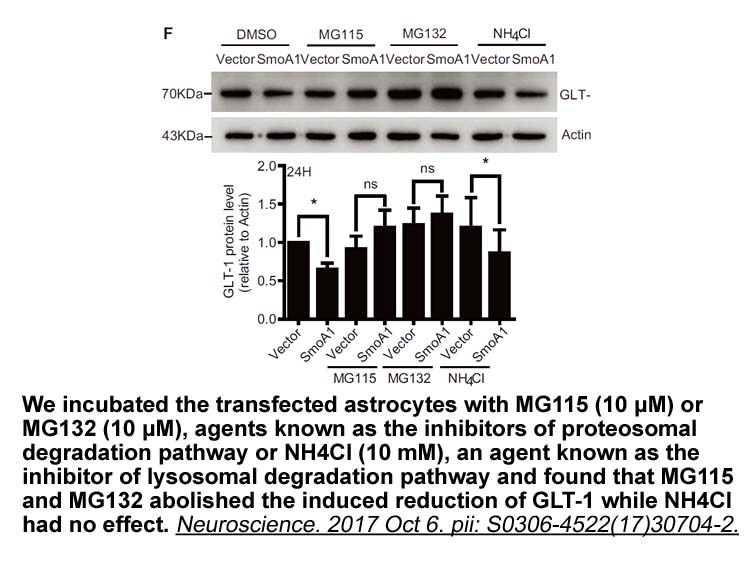
The most likely explanation for the species differences in aromatase distribution and the unique Anticancer agent distribution in humans is the unique location, size and highly elaborate organization of the human aromatase gene (e.g. Bulun et al., 2003). The human Cyp19 is a large gene located on ch
-
Autocrine regulations of several adipokines e g leptin and
2025-02-18

Autocrine regulations of several adipokines (e.g., leptin and resistin) on adipocytes have been reported (Karastergiou and Mohamed-Ali, 2010, Ye et al., 2010). Several lines of evidence have shown that apelin influences adipocyte functions, such as, lipolysis and glucose uptake (Dray et al., 2008, Y
-
br Concluding remarks and future perspectives While the rati
2025-02-18
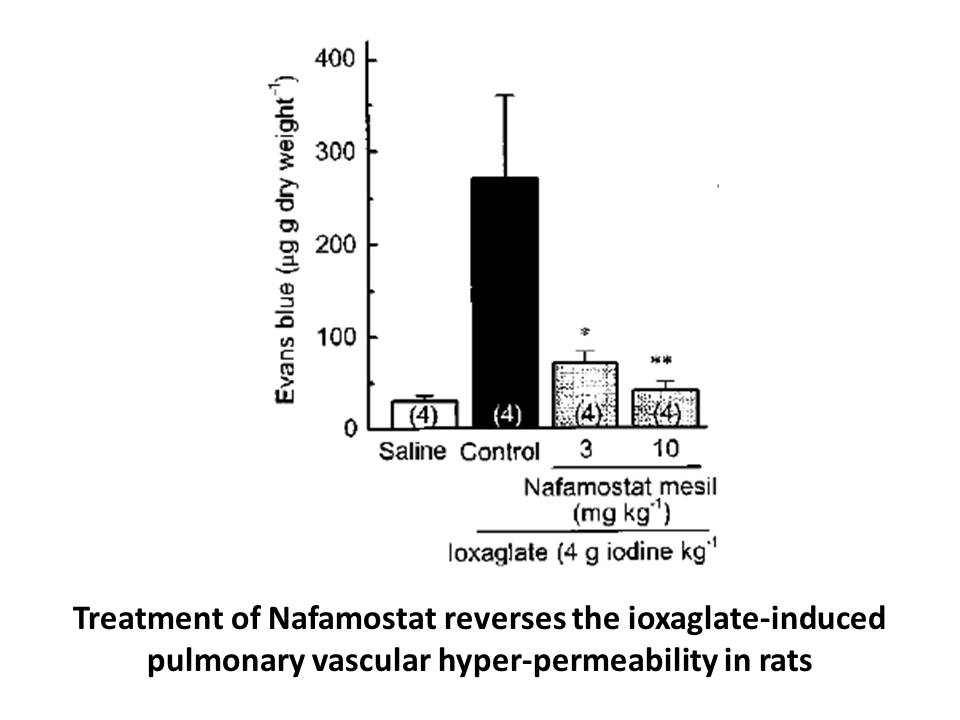
Concluding remarks and future perspectives While the rational engineering of protein-based switches has yet to be fully developed, emerging empirical rules facilitate the construction of tailor-engineered acute myeloid leukemia treatment with custom input and output parameters. Both in the conte
-
In mice the Tfm mutation increased the anxiety
2025-02-18
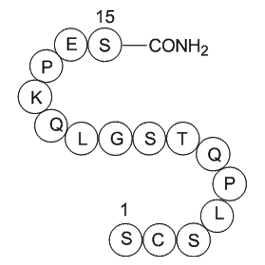
In mice, the Tfm mutation increased the anxiety-state assessed in the novel object and in light/dark box tests, whereas no changes were detected in the open field or elevated plus maze tasks (Zuloaga et al., 2008). As for Tfm rats, this seemed to be related to an increased HPA response to stress. Th
-
Dose Response Studies Against Puromycin Sensitive
2025-02-18
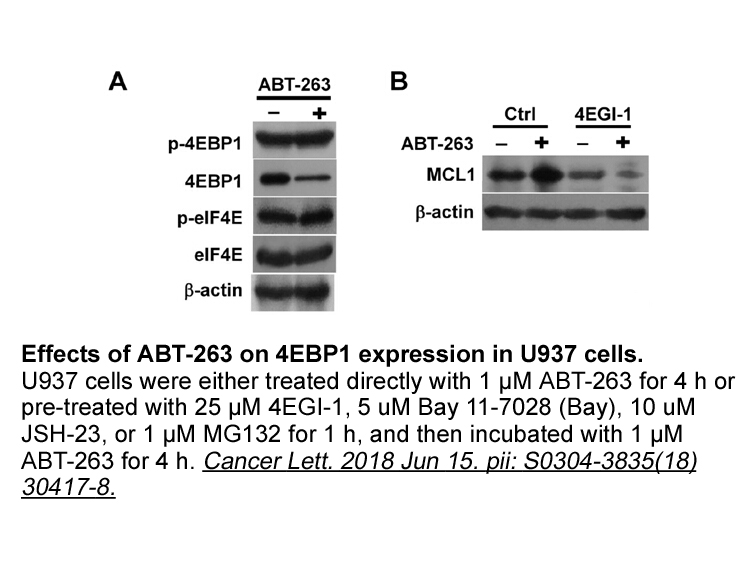
Dose–Response Studies Against Puromycin–Sensitive Aminopeptidase (PSA). PSA is a ubiquitous metallopeptidase encoded by the NPEPPS gene with subcellular distribution in the cytosol and nucleus [49]. Comprising of a 919 amino ATPγS in prostaglandin production sequence, it has a broad substrate speci
-
An important and well documented pathway
2025-02-17
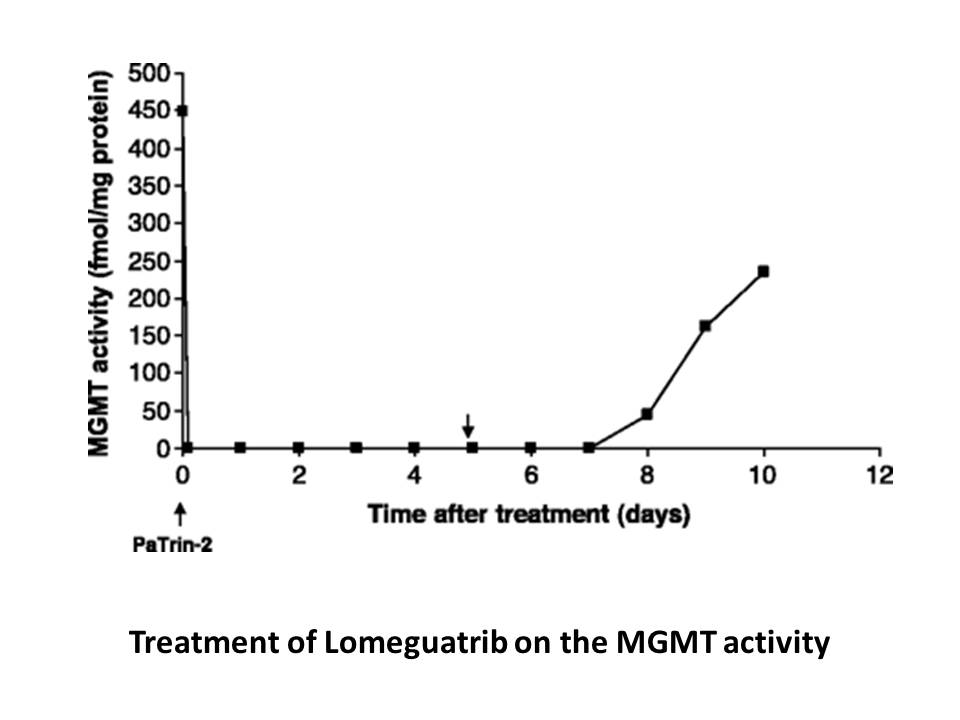
An important and well-documented pathway involved in cellular growth and proliferation is the mTOR-mediated synthesis of proteins and lipids [7,13,14]. Although found to be tissue specific or context specific regulation, it has always been observed that either one or both the mTOR complexes regulate
-
G has been shown to participate
2025-02-17
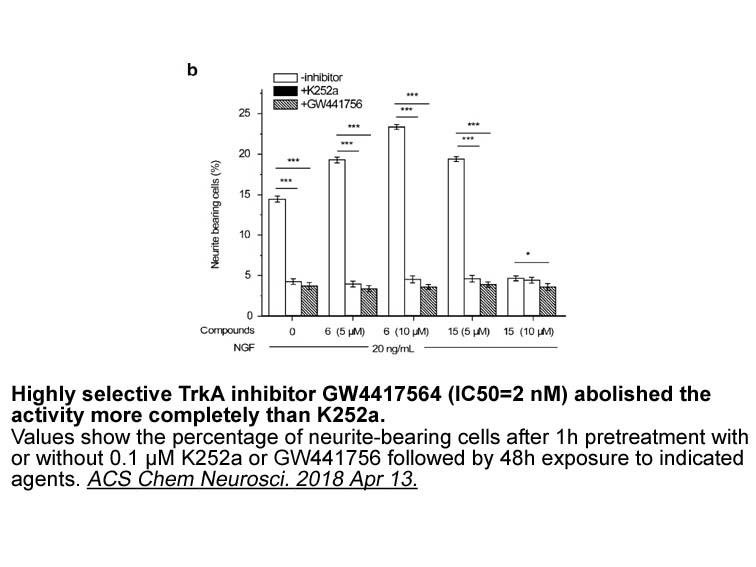
Gβγ has been shown to participate in various MT-dependent processes such as cell growth and differentiation [15,[21], [22], [23], [24], [25], [26]]. G-protein β-subunit anti-sense oligonucleotides have been shown to inhibit cell proliferation and cause disorganization of the mitotic spindle in mamma
-
To further clarify the vascular cell types expressing
2025-02-17

To further clarify the vascular cell types expressing AR subtypes, double immunofluorescence staining for ARs and vascular endothelial Amfenac Sodium Monohydrate or vascular smooth muscles was performed. As shown in Fig. 3, Fig. 4, overlay images show the expression of all ARs subtypes that we exam
-
Human testicular peritubular cells HTPCs are also the only h
2025-02-17
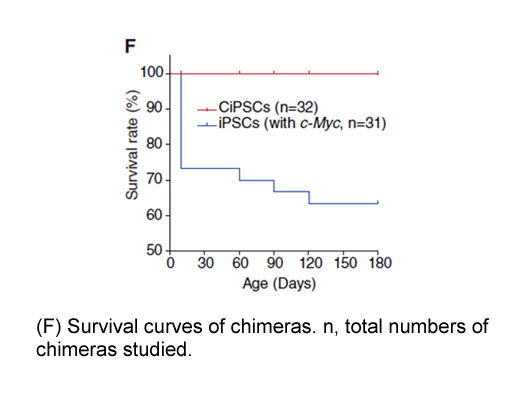
Human testicular peritubular bace inhibitors (HTPCs) are also the only human testicular cell type that can be isolated, cultured and studied in vitro (Albrecht et al., 2006, Mayerhofer, 2013). Results from recent studies indicate that their roles go beyond sperm transport and include immunological
-
Introduction Adenosine monophosphate cAMP is
2025-02-17
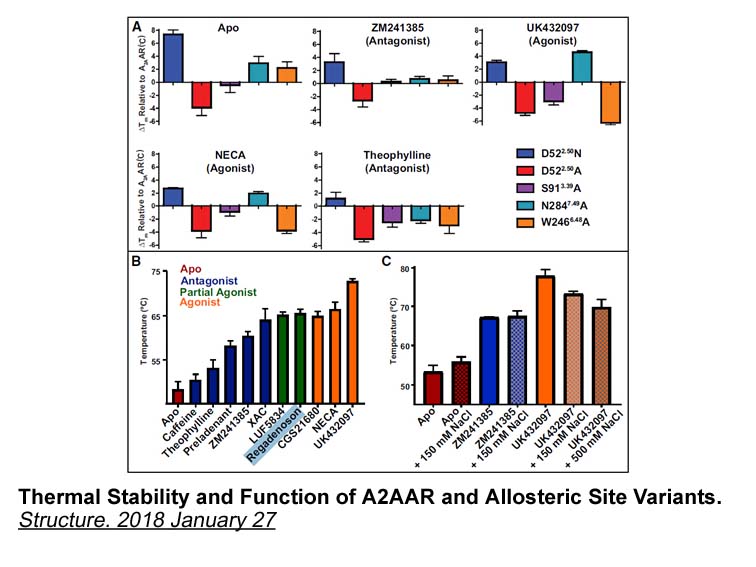
Introduction Adenosine 3′,5′-monophosphate (cAMP) is a general-purpose signaling molecule present in most branches of life. Intracellular cAMP levels control diverse cellular functions. In bacteria, cAMP regulates metabolism by activation of the catabolite activator protein (CAP), also known as cAM
-
Dead cell staining All consecutive patients who were confirm
2025-02-17
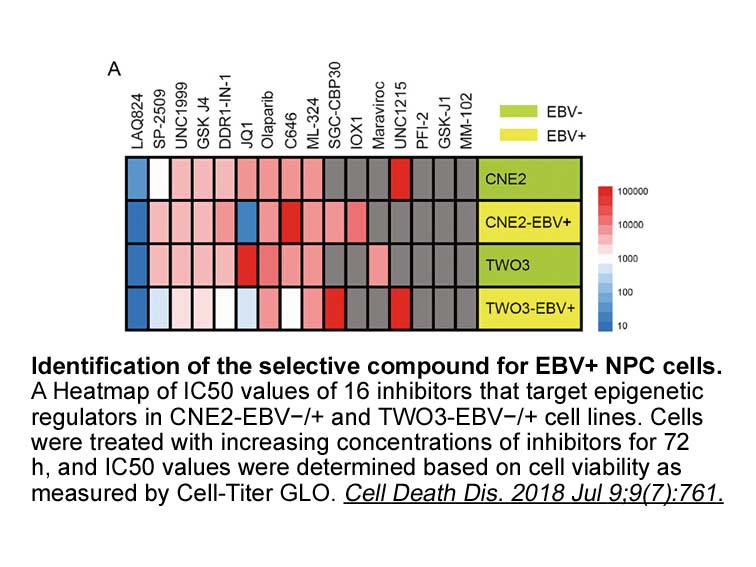
All consecutive patients who were confirmatively diagnosed with MP-PPE and TPE, respectively, between January 2008 and December 2016 at Kyungpook National University Hospital, a tertiary referral hospital in South Korea, an area with an intermediate prevalence of active tuberculosis, were enrolled.
-
br Perspectives Given the complexity of the
2025-02-17
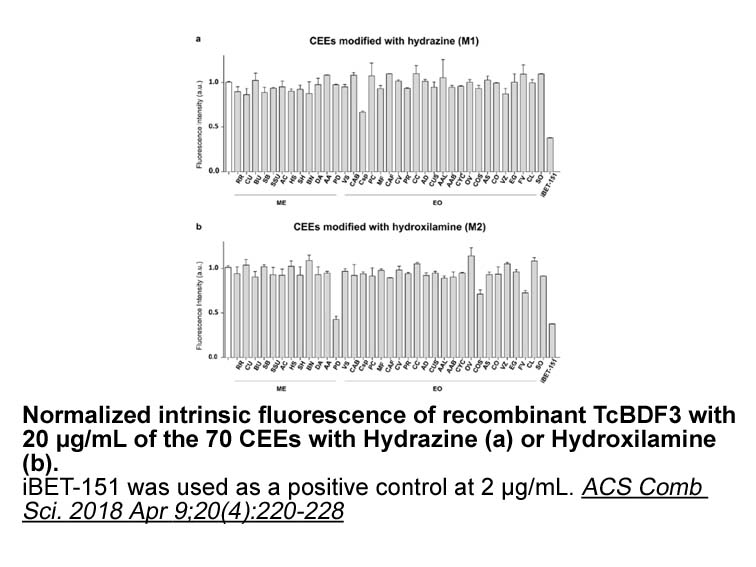
Perspectives Given the complexity of the cellular interactome and of protein scaffolding, further progress in revealing how individual membrane proteins, including APP and AChE, interact with each other at various levels, from cell-surface shedding to gene regulation, will clarify some intrinsic
-
We found that several anticancer drugs inhibit HT receptor c
2025-02-17
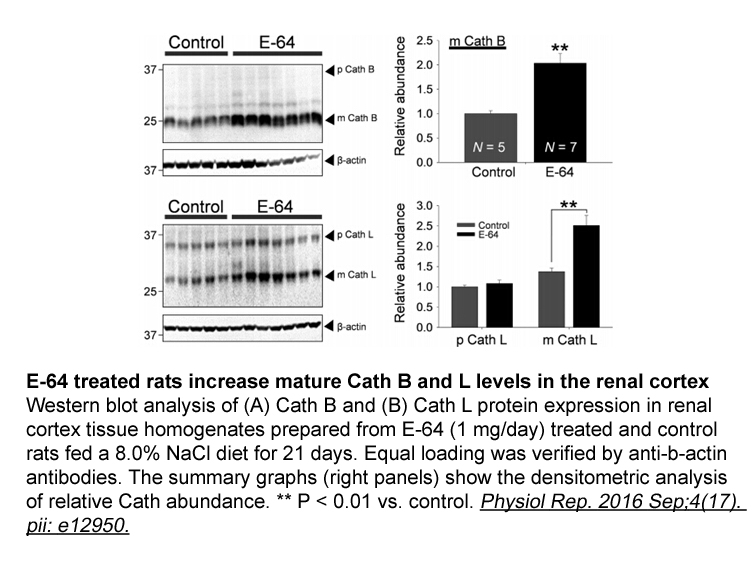
We found that several anticancer drugs inhibit 5-HT3 Z-DEVD-AFC current in vitro. Several studies have suggested that 5-HT3 receptor antagonists have anti-mitogenic and apoptotic effects on colorectal and breast cancer cell lines (Ataee et al., 2010, Hejazi et al., 2015). Irinotecan is used frequent
8113 records 44/541 page Previous Next First page 上5页 4142434445 下5页 Last page