Archives
- 2026-10
- 2026-09
- 2026-08
- 2026-07
- 2026-06
- 2026-05
- 2026-04
- 2026-03
- 2026-02
- 2026-01
- 2025-12
- 2025-11
- 2025-10
- 2025-09
- 2025-03
- 2025-02
- 2025-01
- 2024-12
- 2024-11
- 2024-10
- 2024-09
- 2024-08
- 2024-07
- 2024-06
- 2024-05
- 2024-04
- 2024-03
- 2024-02
- 2024-01
- 2023-12
- 2023-11
- 2023-10
- 2023-09
- 2023-08
- 2023-07
- 2023-06
- 2023-05
- 2023-04
- 2023-03
- 2023-02
- 2023-01
- 2022-12
- 2022-11
- 2022-10
- 2022-09
- 2022-08
- 2022-07
- 2022-06
- 2022-05
- 2022-04
- 2022-03
- 2022-02
- 2022-01
-
Andarine Overexpression of SMAD and SMAD
2023-04-20
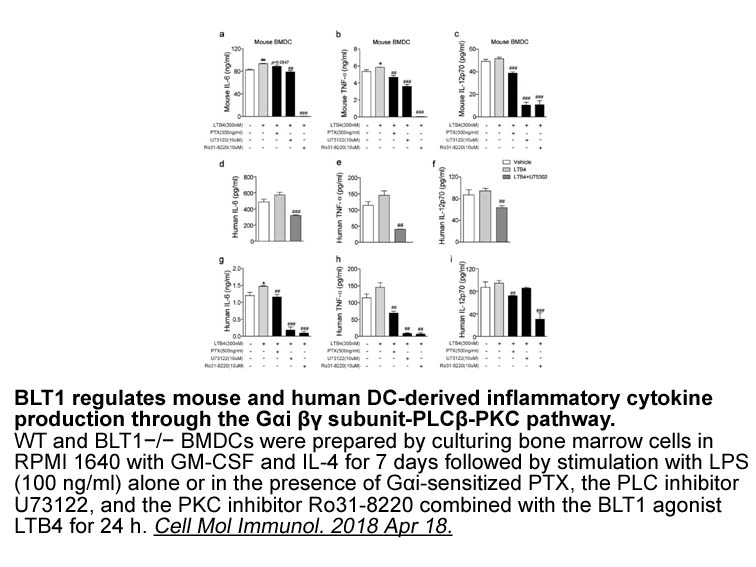
Overexpression of SMAD3 and SMAD4 strongly enhanced luciferase activity of the new pN10 reporter gene construct which was further reinforced by addition of TGFβ. Serial mutations of SBE-1 and SBE-2 led to a slight loss in 5-LO promoter inducibility. The data demonstrate that the two SBEs within the
-
Functional enhancers are often composed of binding
2023-04-20
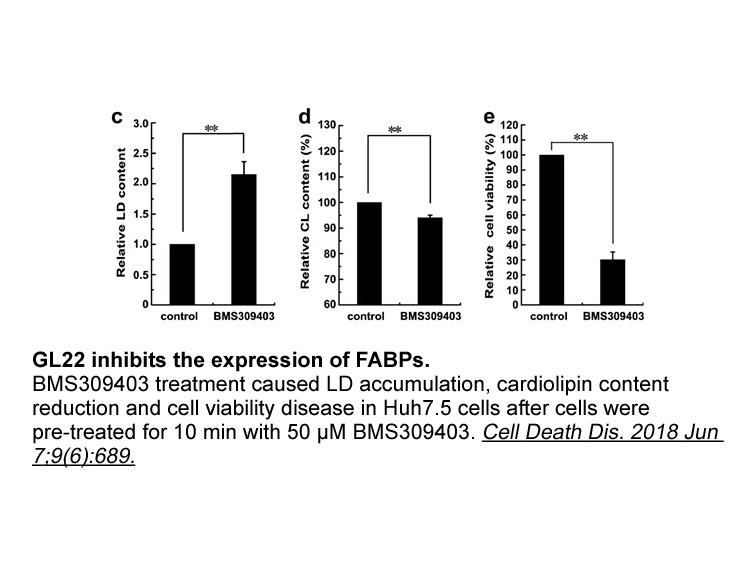
Functional enhancers are often composed of binding motifs of multiple key transcription factors to confer spatial and temporal regulation of genes in a certain context. In the uterus, the difference between the number of genes that have associated PGR occupancy and that of progesterone responsive ge
-
The class C receptors also share a common
2023-04-20
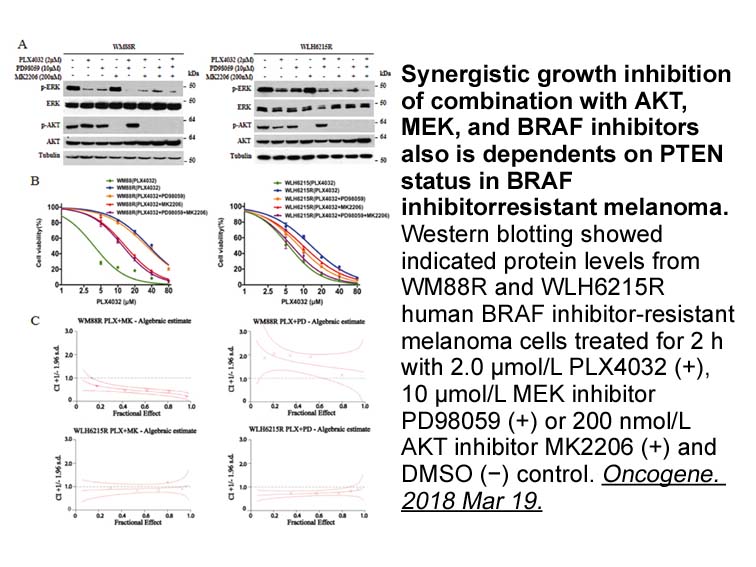
The class C receptors also share a common agonist-binding mode. In all cases, an agonist induces VFT closure by forming intermolecular bonds with surface residues in both the LB1 and LB2 domains (Geng et al., 2013, Geng et al., 2016, Kunishima et al., 2000, Muto et al., 2007, Nuemket et al., 2017, T
-
br STAR Methods br Author
2023-04-20
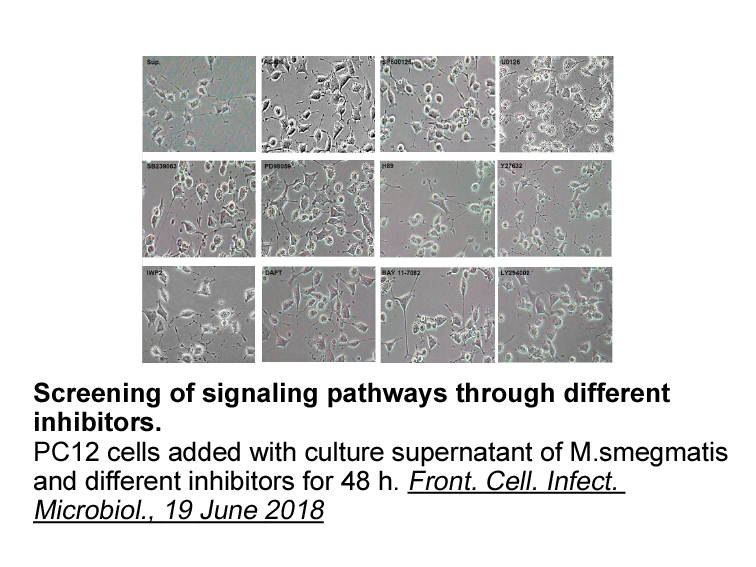
STAR★Methods Author Contributions Acknowledgments We thank Craig D. Wenger and Neva C. Durand for helpful advice, guidance, and discussions. D.H.P. is supported by the NIH National Human Genome Research Institute (NHGRI) (grant R00HG008662) and the Damon Runyon Cancer Research Foundation (D
-
br STAR Methods br Author
2023-04-20
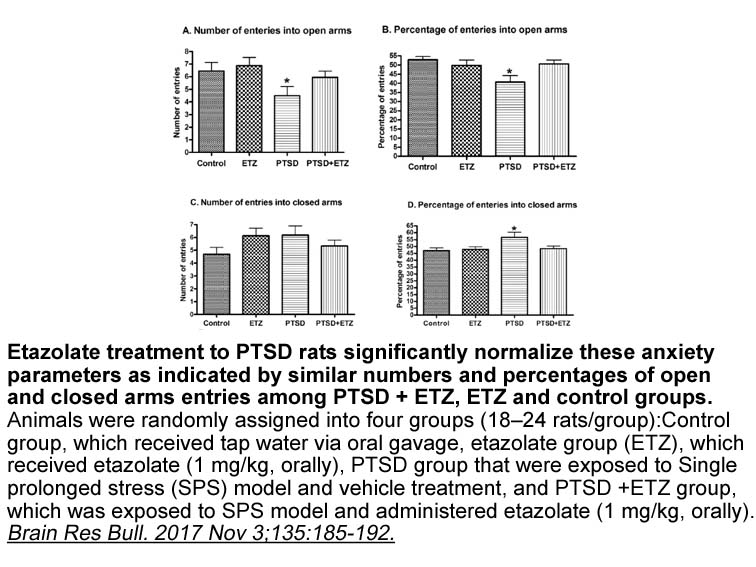
STAR★Methods Author Contributions Acknowledgments We thank Craig D. Wenger and Neva C. Durand for helpful advice, guidance, and discussions. D.H.P. is supported by the NIH National Human Genome Research Institute (NHGRI) (grant R00HG008662) and the Damon Runyon Cancer Research Foundation (D
-
Plant defensins are cysteine rich cationic peptides
2023-04-20
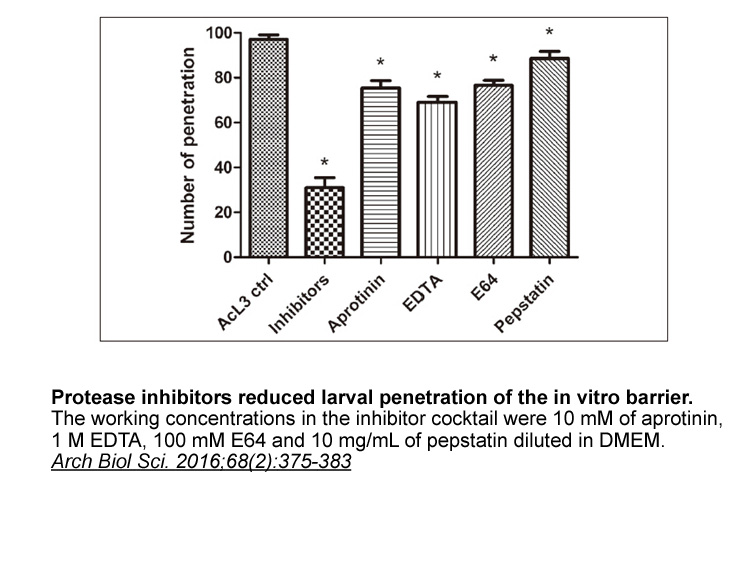
Plant defensins are cysteine-rich cationic peptides of 5–8 kDa whose mature domain comprises 45 to 54 amino 340 7 sale residues, with an isoelectric point around 9. The global fold of plant defensins consists of a cysteine-stabilized motif (CSα/β) made up of an α-helix and a triple-stranded β-sheet
-
Previous studies demonstrate that chiral biointerface has gr
2023-04-20
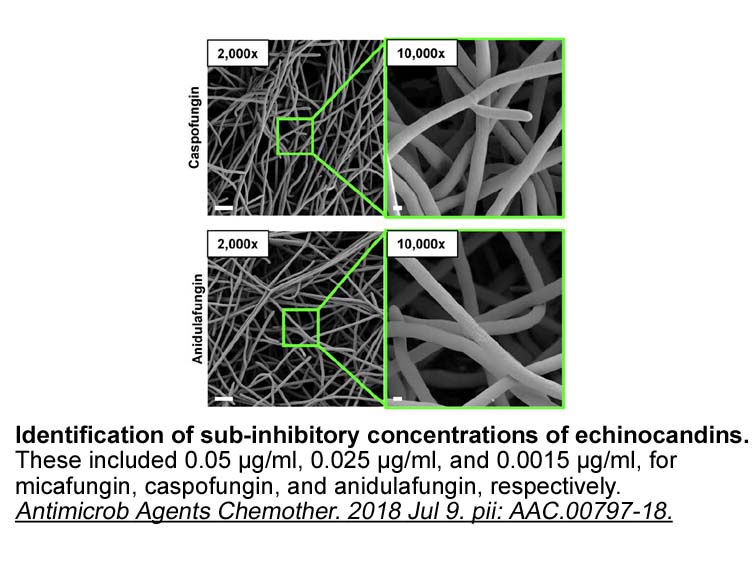
Previous studies demonstrate that chiral biointerface has great influence on cells adhesion and proteins adsorption [39], [40], [41], [42], [43], which inspired us to further develop antimicrobial materials or surfaces by taking advantage of the “chiral taste” of microbes. L-borneol is a hydrophobic
-
br Conclusion br Introduction Lung cancer is the principal
2023-04-20
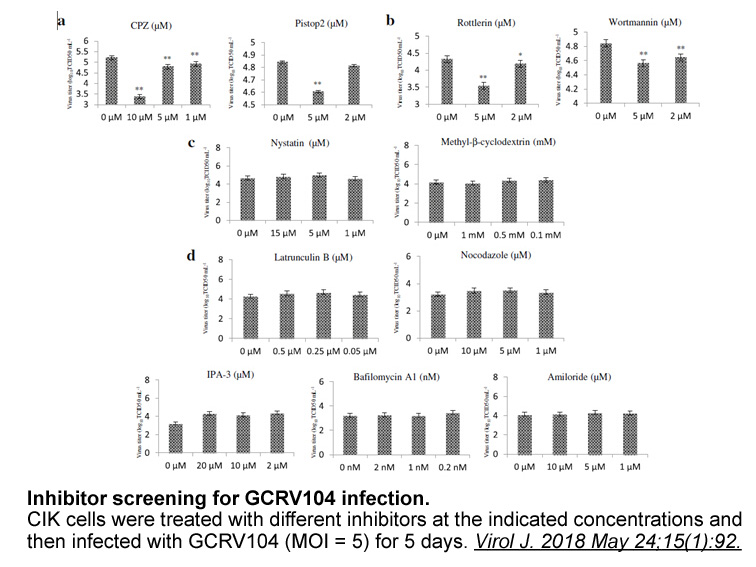
Conclusion Introduction Lung cancer is the principal cause of death by cancer and the third most common cancer worldwide (Sorber et al., 2016). Lung cancer has two main types: small cell carcinomas (approximately 20%) and non-small cell lung cancers (NSCLC) (about 80%) (Fan et al., 2016). NSC
-
Another topic for research will be the combination of
2023-04-18
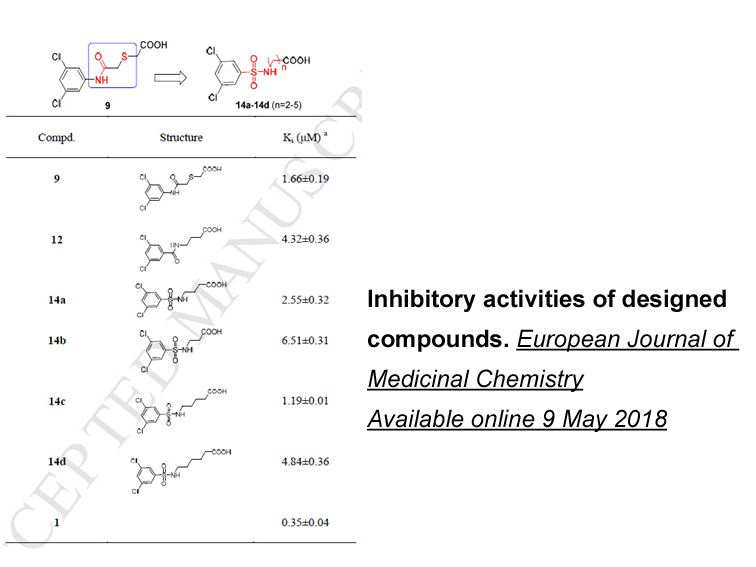
Another topic for research will be the combination of other cytotoxic agents with Aurora kinase inhibitors. Particularly interesting might be the combination of Aurora kinase inhibitors and agents that depend on the spindle checkpoint for their activity, such as the taxanes, given the importance of
-
Lower LDL C mediated by
2023-04-18
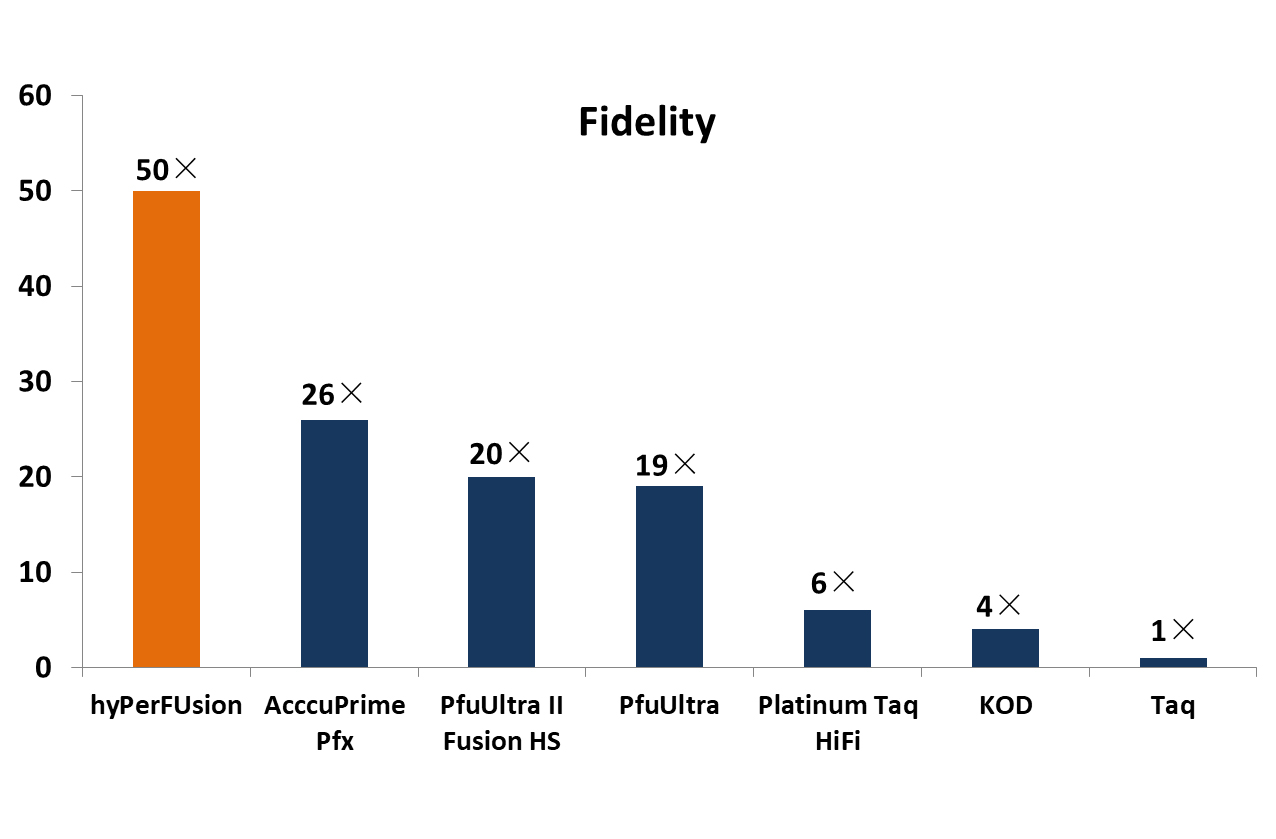
Lower LDL-C mediated by variants in the ACL gene is causally associated with the risk of cardiovascular events. Because, genetic variants that mimic the effect of an ACL inhibitor have the same effect on the risk of cardiovascular events per unit change in LDL-C as variants that mimic the effect of
-
In liver the essential organ of lipoprotein
2023-04-18

In liver, the essential organ of lipoprotein synthesis, ACL plays a fundamental role in lipogenesis and steroidogenesis by supplying cytosolic BIBR-1048 to both pathways. By using a tricarboxylic acid cycle intermediate (citrate) to produce acetyl CoA, ACL can be seen as an important bridge between
-
cdk7 australia Expression subcellular localization transcrip
2023-04-18

Expression, subcellular localization, transcriptional activity and protein stability of Foxo are regulated by proteins such as STAT3, PKB, JNK and AMPK (Sun et al., 2017; Zhang et al., 2011). STAT3 is a member of the signal transducer and activator of transcription (STAT) protein family that plays c
-
Serum concentrations of APP and antioxidants
2023-04-18
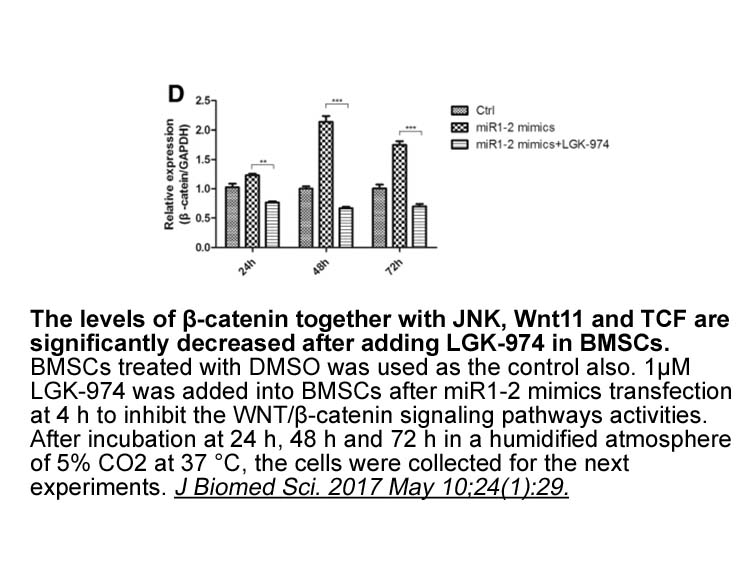
Serum concentrations of APP and antioxidants of the 10 queens with pyometra before surgery (T0), at day two (T1) and at day 10 (T2) after ovariohysterectomy are presented in Fig. 1. Concentrations of SAA and Hp were significantly lower (P Discussion Acute phase protein responses were already desc
-
Thiazole heterocycles constitute an interesting class of
2023-04-18
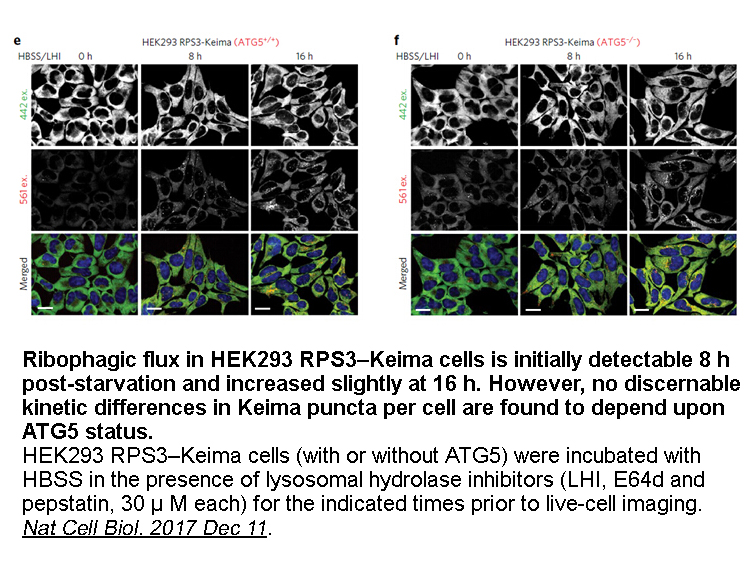
Thiazole heterocycles constitute an interesting class of molecules, which exhibit a broad spectrum of biological activity, including antifungal properties [[16], [17], [18], [19]]. Encouraged by our previous study that describes the activity of hydrazine-thiazole derivatives against C. gattii and C.
-
How do increased levels of ammonia as observed
2023-04-17
How do increased levels of ammonia as observed in clinical HE constrain synaptic plasticity? Numerous studies have investigated the modulation of signal transduction pathways activated in LTP or LTD irrespective of being necessary or sufficient for changes in synaptic efficacy (Wen et al., 2013). Ye
8150 records 340/544 page Previous Next First page 上5页 336337338339340 下5页 Last page