Archives
- 2026-10
- 2026-09
- 2026-08
- 2026-07
- 2026-06
- 2026-05
- 2026-04
- 2026-03
- 2026-02
- 2026-01
- 2025-12
- 2025-11
- 2025-10
- 2025-09
- 2025-03
- 2025-02
- 2025-01
- 2024-12
- 2024-11
- 2024-10
- 2024-09
- 2024-08
- 2024-07
- 2024-06
- 2024-05
- 2024-04
- 2024-03
- 2024-02
- 2024-01
- 2023-12
- 2023-11
- 2023-10
- 2023-09
- 2023-08
- 2023-07
- 2023-06
- 2023-05
- 2023-04
- 2023-03
- 2023-02
- 2023-01
- 2022-12
- 2022-11
- 2022-10
- 2022-09
- 2022-08
- 2022-07
- 2022-06
- 2022-05
- 2022-04
- 2022-03
- 2022-02
- 2022-01
-
1080 6 The macrophage is the major cell type responsible
2024-04-12
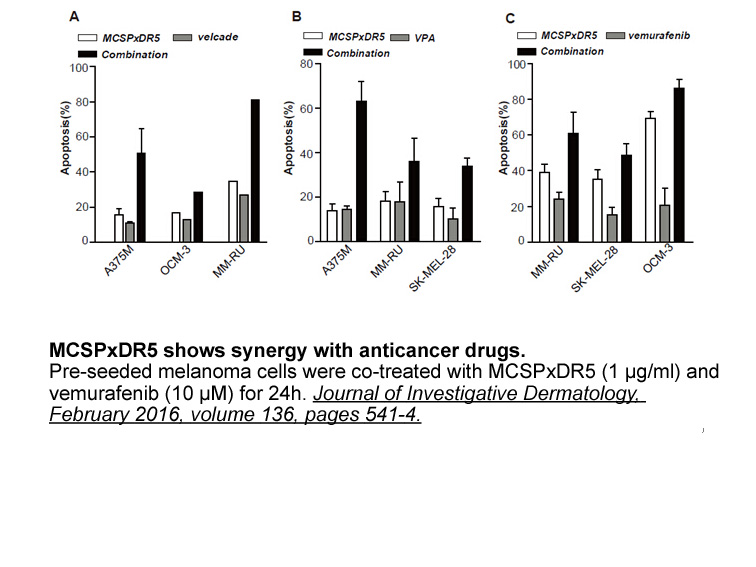
The macrophage is the major cell type responsible for cholesterol uptake and metabolism associated with the initiation and progression of atherosclerosis in focal areas of the arterial subendothelial space. In advanced atherosclerotic lesions of cardiovascular disease, cholesterol-induced macrophage
-
br Transparency document br Introduction
2024-04-12

Transparency document Introduction G protein-coupled receptors (GPCRs) comprise a diverse family of seven transmembrane domain-containing receptors represented by over 800 genes in humans. GPCRs respond to a range of stimuli, including peptides, hormones, growth factors, lipids, odorants, and
-
It could be hypothesized that the adiponectin system is regu
2024-04-12
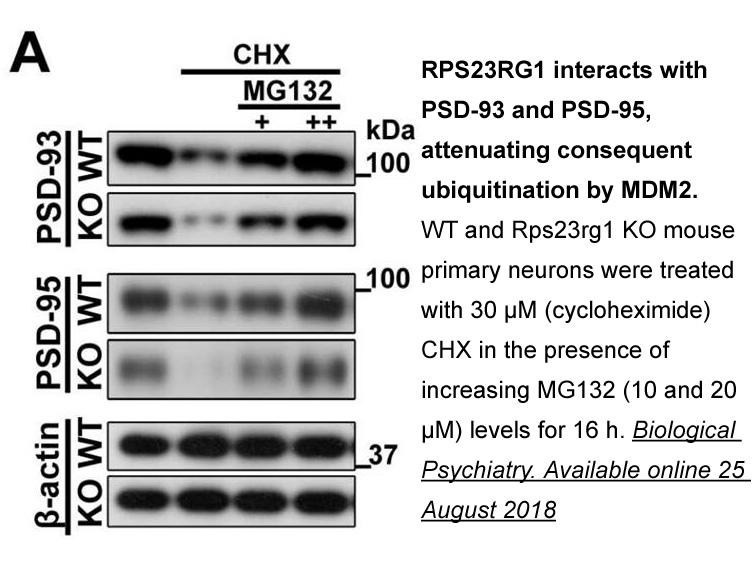
It could be hypothesized that the adiponectin system is regulated by gonadal steroid hormones. The lowest concentrations of adiponectin, AdipoR1 and AdipoR2 proteins in the endometrium and myometrium during the mid-luteal and late-luteal phases suggest that progesterone suppresses the expression of
-
BIBR-1048 br Funding This work was supported by
2024-04-12
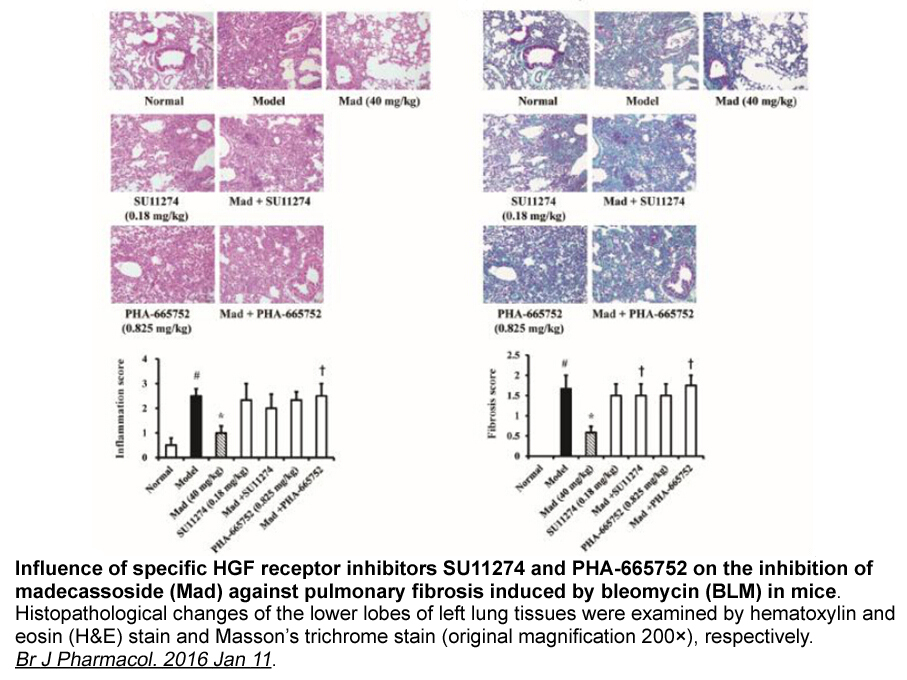
Funding This work was supported by Arena Pharmaceuticals, Inc, San Diego, CA, USA. Introduction 5-hydroxytryptamine 1B (5-HT1B) receptors are widely distributed in the central nervous system (CNS); they have various modulatory functions in drug reinforcement, appetitive behaviors, stress, moo
-
Pituitary adenylate cyclase activating polypeptide PACAP
2024-04-12
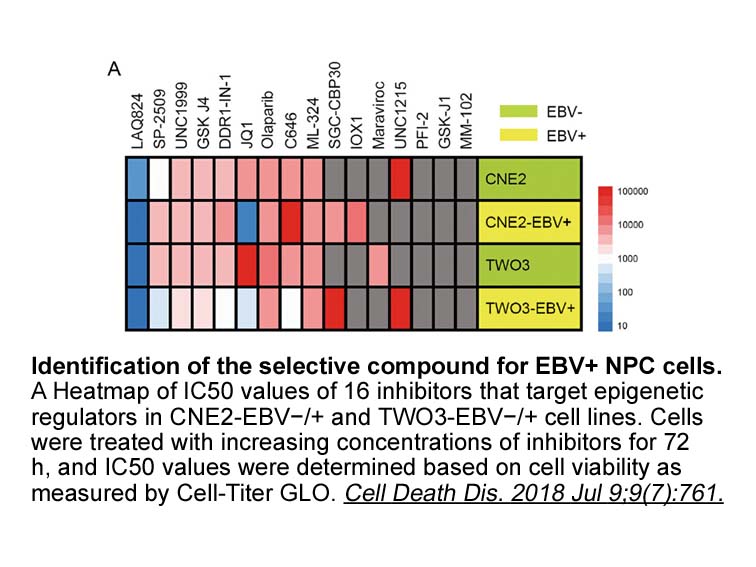
Pituitary adenylate cyclase-activating polypeptide (PACAP) is a member of the secretin/growth hormone-releasing hormone (GHRH)/vasoactive intestinal peptide (VIP) family, with potent anti-inflammatory and potent cytoprotective properties [[6], [7], [8], [9], [10], [11], [12], [13]]. PACAP exists as
-
AMPK modulates changes in lipid
2024-04-12
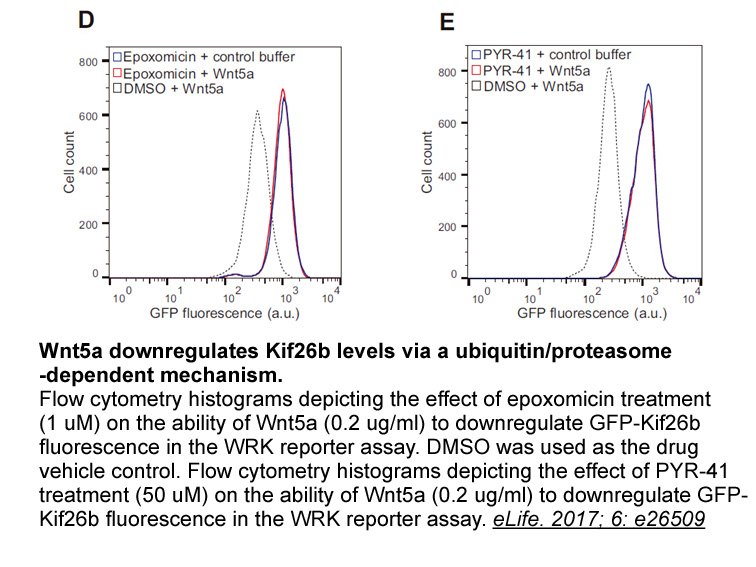
AMPK modulates changes in lipid metabolism via the regulation of fatty XI-006 australia oxidation and cholesterol synthesis in the liver. The key enzymes involved include ACC and HMGCR [27,28]. Both participate in the rate-limiting steps of fatty acids and cholesterol synthesis and are inactivated
-
Adenosine is a ubiquitous homeostatic
2024-04-12
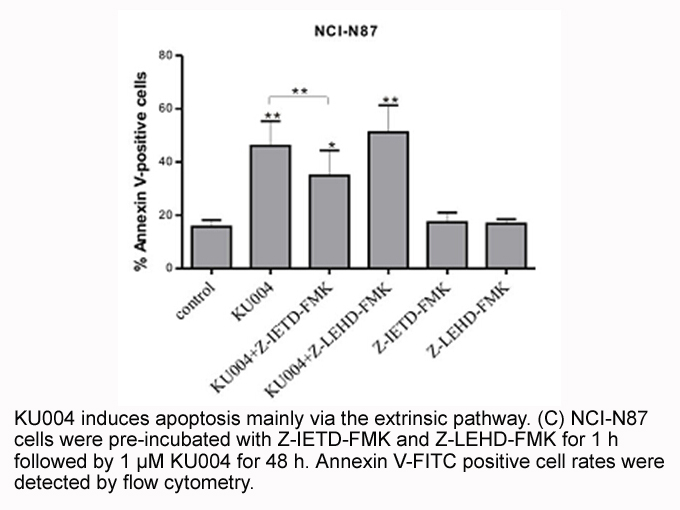
Adenosine is a ubiquitous homeostatic purine nucleoside that accumulates extracellularly in response to metabolic stresses such as hypoxia and inflammation. Activation of either G protein-coupled adenosine receptors (ARs; A1R, A2AR, A2BR, and A3R) by extracellular adenosine can modulate cell signal
-
br Results br Discussion To achieve quantitative understandi
2024-04-12
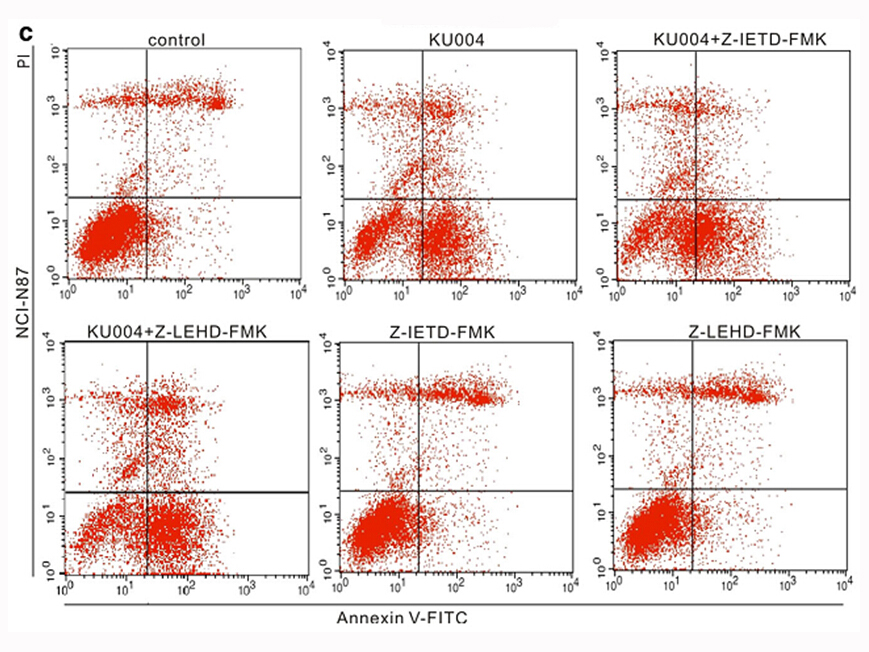
Results Discussion To achieve quantitative understanding of glatiramer acetate turnover, we utilize rapidly moving lamellipodial fragments that are geometrically simple, structurally homogeneous, and persistent, and measure relevant rates and concentrations in this system. We find that the la
-
br Conclusion There have been multiple
2024-04-12
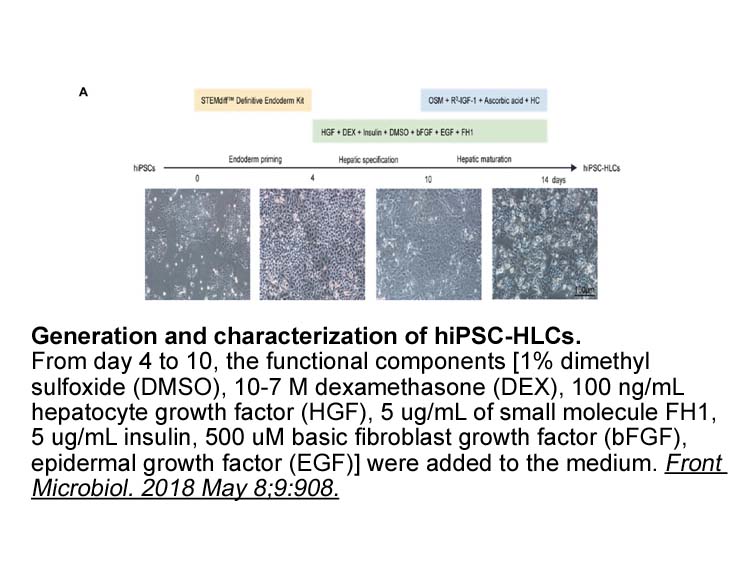
Conclusion There have been multiple clinical trials and pre-clinical studies that have tested the utility of 5ARIs in treating prostate disease, as summarized in Fig. 1. Inhibiting androgen action through the use of finasteride and dutasteride has been established as a valuable resource for physi
-
Azacyclonol mg In the final set of experiments the
2024-04-11
In the final set of experiments, the dependence of the reaction rate on viscosity was determined. The experimental protocol previously used to study the reaction of LOX with AA was used., Reactions of 5-LOX and AA were carried out at different relative viscosities in Tris buffer (25mM, pH 8.0) at 2
-
Apelin is a bioactive peptide and
2024-04-11

Apelin is a bioactive peptide and endogenous ligand for the APJ receptor (APLNR), a member of the G protein coupled receptor family that shares a similar sequence as the angiotensin type-1 receptor (AT1) [5]. Early studies demonstrated that the apelin/APLNR receptor axis plays a significant role in
-
br Experimental section br Abbreviations PSA puromycin sensi
2024-04-11
Experimental section Abbreviations PSA, puromycin–sensitive aminopeptidase; APN, aminopeptidase N; AML, acute myeloid Leukemia; ALL, acute lymphoblastic leukemia; AADR, amino hydroxychloroquine sulfate deprivation response; PAN, puromycin aminonucleoside; DCC, dicyclohexyl carbodiimide; NHS,
-
MCB-613 Fig A shows a schematic representation
2024-04-10
Fig. 2A shows a schematic representation of histological results according to the Franklin and Paxinos Mouse Brain Atlas (2001). The black circles represent the sites of drug infusion that were on-target within the amygdala. Gray circles represent the animals that had infusion locations outside the
-
br Introduction Adenosine deaminase ADA also known as
2024-04-10
Introduction Adenosine deaminase (ADA), also known as adenosine aminohydrolase, is a key enzyme involved in the purine metabolism that converts adenosine to inosine irreversibly (Lupidi et al., 1997). It is a zinc containing metalloenzyme present in both prokaryotes and eukaryotes. In humans ADA
-
Recently several groups including ours have
2024-04-10
Recently, several groups, including ours, have started to use the C. elegans multi-dendritic PVD neurons as a model system to dissect the molecular mechanisms of dendrite development. During larval development, PVD elaborates complex and stereotyped dendritic arbors by sequentially adding primary (1
8151 records 206/544 page Previous Next First page 上5页 206207208209210 下5页 Last page